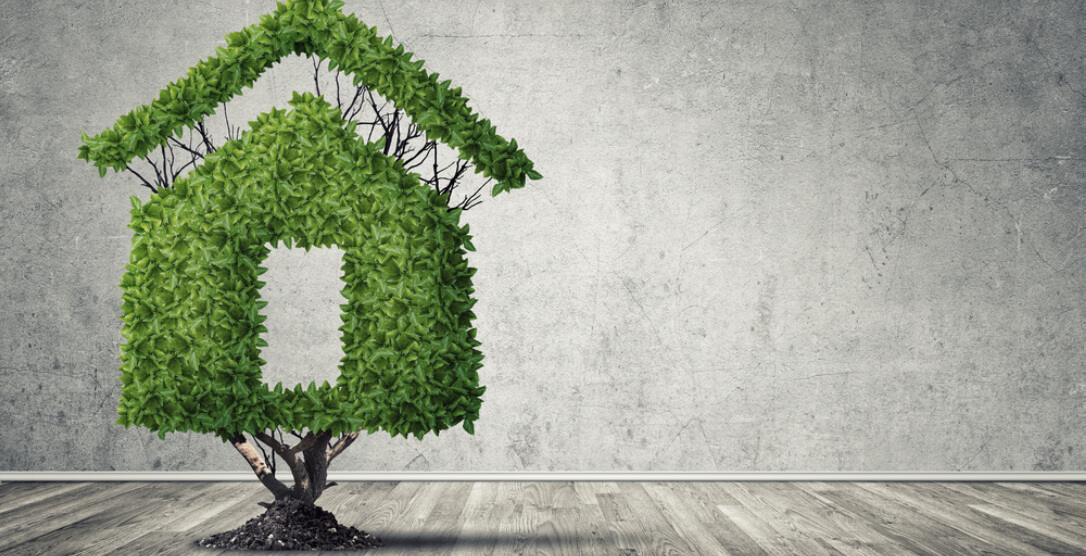
The growing popularity of green architecture and eco-friendly buildings is facilitated by technological advancements that allow for the integration of sustainable practices into building designs. As Joe Cianciotto points out, such innovations make it possible to minimize environmental impact, reduce energy consumption, and create healthier living spaces. Green buildings are critical for sustainable development. They play a pivotal role in addressing the growing need for urbanization while minimizing environmental impact.
Joe Cianciotto offers valuable insights into green buildings
Green building refers to the practice of designing, constructing, and operating buildings in a manner that reduces or eliminates negative impacts on the environment, as well as human health. Such an approach focuses on the creation of structures that use sustainable materials and are energy efficient. Energy efficiency is considered to be a cornerstone of green buildings. Cutting-edge technologies and practices are used to reduce energy consumption in such buildings. This can involve installing high-efficiency HVAC systems, energy-efficient lighting, and insulation that boosts thermal performance. Such measures help lower the amount of energy needed to operate the building, and can lead to considerable reductions in utility bills.
Resource conservation is another vital principle of green buildings. This includes practices like rainwater harvesting, greywater recycling, and installing water-saving fixtures. It is also common for green buildings to incorporate renewable energy sources like solar panels, which go a long way in cutting down reliance on non-renewable energy, and overall utility expenses.
Green buildings are constructed with the use of eco-friendly and sustainable materials. Such materials tend to be sourced and produced in ways that have a low environmental impact. Green buildings often use recycled or reclaimed materials like products with low embodied energy or sustainably harvested wood. The use of such materials is likely to become more cost-effective over time, thereby offsetting the higher upfront costs with lower lifecycle expenses.
In addition to being environmentally friendly, green buildings also meet certain performance and certification standards. These certifications may cover varied aspects of sustainability, starting from materials selection and indoor environmental quality to energy use and water efficiency. Every certification serves as a benchmark for best practices in sustainable building, and encourages real estate companies and developers to strive for higher levels of environmental performance.
Even though the initial costs of green building projects can be higher in comparison to those of traditional construction, these expenses can be balanced by the savings and financial gains realized over the lifespan of the building. In the opinion of Joe Cianciotto, the long-term financial benefits of green buildings are quite multifaceted and significant. One of their most prominent benefits is the reduction in utility bills. Energy efficient designs and features, like high-efficiency lighting, superior insulation, as well as use of renewable energy sources like solar power, help substantially lower energy consumption. In a similar manner, water-saving fixtures and systems, reduce water usage, and leads to lower water bills. These savings accumulate over time, offsetting the initial investment involved in the construction of the green building, and provide consistent financial returns year after year.